
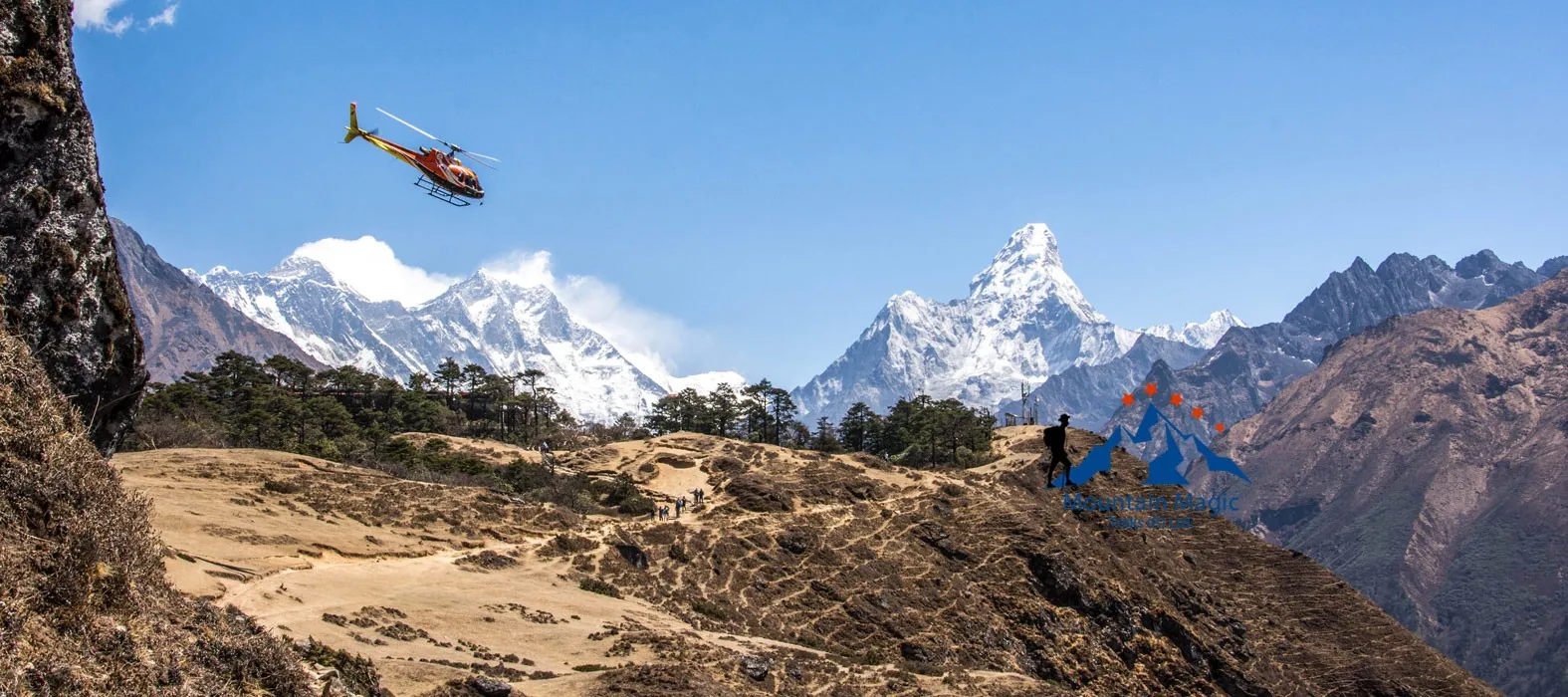
The trekking paths of the Everest region are used by more than tourists. Local residents, guides, porters, and pack animals all share sections of the same narrow routes. Yaks, mules, and other animals help transport supplies between mountain settlements, making them a familiar sight along the Khumbu trail.
For trekkers, meeting a loaded animal train on a narrow path requires attention and patience. Moving aside at the wrong place or approaching too closely can create unnecessary risks. During the Everest Base Camp Trek with Helicopter Return, understanding how to share the trail helps travelers move responsibly and avoid disturbing animals or other trail users.
Recognize the Animals You May See on the Route
Pack animals are part of everyday transportation in the Everest region. Their work supports mountain lodges, shops, construction activities, and local communities.
Travelers may encounter yaks, yak-cattle crossbreeds, and mules at different points along the route. Their appearance and size can vary, but they all need enough space to move safely.
Why Animals Use the Trekking Paths
Remote settlements have limited road access, so animals remain useful for carrying goods across mountain terrain.
They may transport:
-
Food supplies for mountain lodges.
-
Building materials.
-
Fuel and household goods.
-
Equipment for local businesses.
-
Other essential supplies.
Because these animals perform regular transport work, trekkers should expect to share parts of the route with them.
Move to the Safe Side When an Animal Train Approaches
Some sections of the trail are wide enough for people and animals to pass comfortably. Other sections are narrow, rocky, or located beside steep slopes.
When an animal train approaches, do not assume there is enough room to continue walking.
Follow the Guide’s Instructions
Your guide can help identify a suitable place to stand while the animals pass.
As a general rule:
-
Move away from the animal’s path.
-
Stand on the uphill side when the guide advises it.
-
Keep away from exposed edges.
-
Allow the entire train to pass.
-
Do not squeeze between animals.
-
Avoid sudden movements.
Standing on the uphill side is often recommended because a loaded animal may push outward while passing. However, always follow the guide’s assessment of the actual terrain.
Never Try to Pass Between Pack Animals
An animal train may contain several animals walking close together. Their loads can extend beyond their bodies, leaving less space than it first appears.
Walking between them can expose you to accidental contact with animals, ropes, or carried equipment.
Wait Until the Route Is Clear
Do not attempt to overtake an animal train on a narrow section.
Wait for the animals to pass or ask the guide whether there is a safe opportunity to continue. A short delay is better than risking a fall or disturbing the animals.
The Everest Base Camp Trek with Helicopter Return passes through several settlements where these encounters can happen during ordinary walking days.
Give Animals Enough Space on Bridges
Suspension bridges and narrow crossings require particular care when animals are using them.
A bridge may move under the weight of people and animals. Adding several travelers to an already occupied crossing can make the situation more difficult.
Wait for Your Turn
Before entering a bridge:
-
Check whether animals are already crossing.
-
Follow the guide’s instructions.
-
Wait until the crossing is clear.
-
Keep a steady pace.
-
Avoid stopping in the middle.
Never try to walk beside or overtake a loaded animal on a narrow bridge.
Do Not Touch or Feed Working Animals
Pack animals may appear calm, but their behavior can change when they are tired, startled, or carrying heavy loads.
Travelers should avoid treating them like pets.
Keep Your Distance
Do not:
-
Touch an animal without permission.
-
Pull its ropes or equipment.
-
Stand directly behind it.
-
Offer food without the handler’s approval.
-
Make loud noises to attract its attention.
-
Block its path for photographs.
If you want to take a picture, step away from the route and ask the handler when appropriate.
Understand Why Loads Affect Animal Movement
Animals carrying supplies need room to maintain balance on uneven mountain paths.
Their loads may be wide, heavy, or positioned differently depending on the goods being transported. A passing animal can unintentionally hit someone standing too close to the trail.
Avoid Creating Additional Obstacles
Keep your backpack, trekking poles, and loose equipment close to your body when animals pass.
Do not leave bags in the middle of the path. If you need to stop, move to a safe area that does not block the route.
Also avoid sudden movements that could surprise an animal approaching from behind.
Be Patient During Busy Trail Periods
The route between villages can become busy when several trekking groups and supply trains travel at similar times.
A narrow section may require people to wait while animals move through.
Do Not Turn Passing Into a Competition
Some travelers may feel tempted to walk faster to get ahead of a group. This can create confusion when several people try to pass at once.
Stay with your group and let the guide manage the movement.
The Everest Base Camp Trek with Helicopter Return includes daily walking sections through established mountain settlements. Sharing the trail properly is part of respecting the people and working animals that use these routes throughout the year.
Keep Children and Inexperienced Trekkers Close
Travelers who are unfamiliar with pack animals may not understand how much space they require.
Children and inexperienced walkers should stay close to their responsible adult or guide whenever an animal train approaches.
Explain the basic rules before reaching busy trail sections:
-
Do not run toward animals.
-
Never stand behind them.
-
Do not touch their loads.
-
Wait for instructions before moving.
-
Keep hands and equipment away from passing animals.
Clear guidance can prevent sudden reactions and unsafe situations.
Choose Responsible Photography Practices
Animal trains can be interesting subjects for travel photography, but pictures should never interfere with their work.
Avoid standing in front of an approaching train or forcing an animal to stop for a photograph.
If the handler is busy managing the animals, wait until the situation is calm before asking permission.
Keep the route open for other trekkers and local residents. A photograph is not worth delaying transportation or creating an unsafe passing situation.
Final Thoughts
Yaks, mules, and other pack animals remain an important part of transportation in the Everest region. They share narrow paths with trekkers and need space to move safely, especially when carrying supplies through difficult terrain.
During the Everest Base Camp Trek with Helicopter Return, travelers should follow their guide’s instructions, avoid passing between animals, and wait patiently at narrow sections and bridges. Good trail etiquette protects both people and animals while helping the entire route remain accessible.
Frequently Asked Questions
1. Will I see yaks and mules during the trek?
You may encounter pack animals on different sections of the Khumbu route. Their presence depends on local transportation activity and conditions.
2. Which side should I stand on when an animal train passes?
Follow your guide’s instructions. Standing on the uphill side is often advised, but the safest position depends on the actual trail.
3. Can I walk between two pack animals?
No. Avoid walking between animals, especially when they are carrying loads. Wait until the train has passed safely.
4. Is it safe to photograph working animals?
Yes, when you remain at a safe distance and do not interrupt their movement. Ask the handler for permission when appropriate.
5. Should I wait if animals are crossing a suspension bridge?
Yes. Allow the animals to finish crossing before entering the bridge, and follow the guide’s instructions.
