
Art in 2026 reflects a clear shift toward emotional depth, tactile experience and personal expression. After years dominated by cool, restrained minimalism, the year brings warmer tones, richer textures and a greater willingness to embrace bold, expressive forms. Designers, painters, illustrators and interior artists are balancing simplicity with character, creating work that feels both grounded and alive.
The Evolution of Minimalism
Minimalism has not disappeared. Instead it has softened and warmed. Stark black-and-white or clinical compositions are giving way to what many describe as soft modern or warm minimalism. Earthy neutrals such as sand, terracotta, ochre, moss green and soft clay tones dominate. Clean layouts remain, yet they now carry subtle texture, hand-drawn lines or gentle imperfections that introduce humanity into the frame.
Oversized single pieces continue to hold appeal. One large, thoughtfully composed canvas or print on a clean wall creates impact without clutter. This approach retains the clarity of minimalism while allowing colour, material and quiet emotion to play a stronger role. Texture-forward works, including embossed surfaces, visible brushstrokes and layered media, further distinguish 2026 minimalism from earlier flat digital styles.
Bold and Expressive Directions
At the other end of the spectrum, maximalism and expressive design have returned with confidence. Layered patterns, vibrant colour clashes, oversized typography and controlled chaos appear across graphic design, illustration and wall art. Pattern play celebrates joyful motifs and decorative energy, often set against bold backgrounds or used to create visual rhythm in interiors.
Expressive typography stands out as a major force. Letters become performative rather than purely functional. Designers experiment with distorted, bubbly, handwritten or collaged type that carries emotion and personality. This approach moves far beyond neutral sans-serifs and treats text as a central visual element.
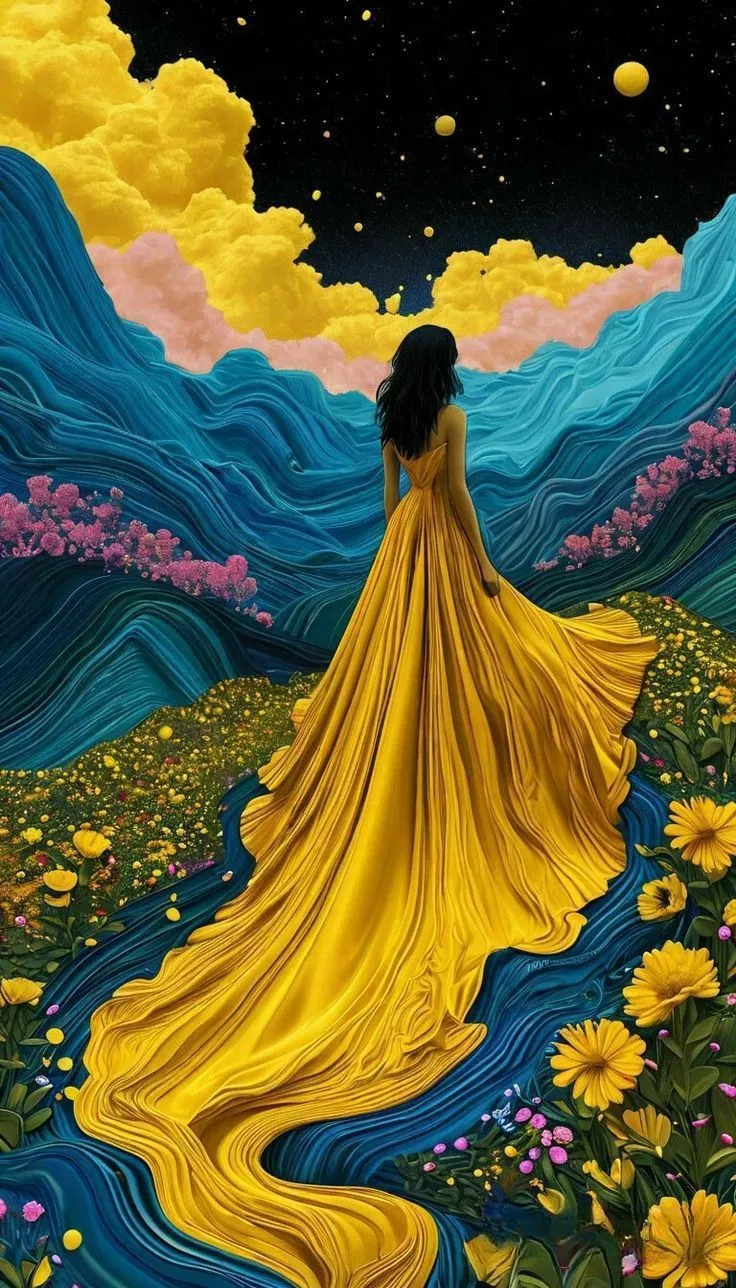
Surreal and dreamlike imagery has also regained prominence. Artists explore personal mythologies, unexpected juxtapositions and fantastical scenes that blend the familiar with the strange. The accessibility of digital tools has contributed to this revival, yet many creators deliberately retain imperfect, hand-touched qualities that push back against overly polished machine-generated imagery.
Texture, Nature and Sensory Experience
Tactile and sensory qualities define much of the year’s most compelling work. Art that suggests touch—whether through simulated impasto, mixed media layers, or surfaces that evoke sand, stone, fabric or liquid—engages viewers beyond the purely visual. This emphasis on materiality offers a counterpoint to flat digital screens and creates stronger presence in physical spaces.
Nature-inspired abstraction continues to thrive. Botanical forms appear in more expressive and less literal ways, often in deeper, moodier palettes of greens, charcoal and muted florals. Earth-led colour schemes reinforce a desire for grounded, biophilic connection within contemporary interiors and graphic work. Neo Art Deco elements, including bold geometry, fan motifs and refined metallic accents, add a layer of polished glamour that feels both nostalgic and current.
Human Craft in a Digital Age
A noticeable undercurrent across 2026 trends is the celebration of human process. Organic, imperfect marks, visible brushwork, scanned textures and handmade details signal a preference for authenticity. While digital and AI-assisted tools remain widely used, many artists and designers deliberately introduce irregularity, grain and physical presence to distinguish their work from seamless algorithmic output.
This tension between technology and craft appears in illustration styles that favour naive or slightly awkward linework, in mixed-media collages, and in paintings that prioritise gesture over perfection. The result is art that feels personal and emotionally resonant rather than purely decorative or optimised.
Practical Implications for Collectors and Creators
For those selecting or creating art, the year’s trends offer flexibility. Warm minimalist pieces suit calm, intentional interiors. Bold pattern, expressive colour and textured surfaces bring energy and individuality. Oversized works create focal points, while carefully chosen smaller pieces can support layered, personal collections.
Colour choices lean toward warmer, earth-derived hues, yet bright saturated accents and metallic details provide contrast when desired. The overall mood favours emotional connection and sensory richness over strict visual austerity.
Looking Ahead
The art landscape of 2026 balances restraint with expression. Minimalism has matured into a warmer, more textured language, while bold and maximalist approaches reclaim space for personality and play. Across painting, illustration, graphic design and interior art, the strongest work combines clarity of form with depth of feeling.
Whether through a single large abstract in terracotta and sand, a densely patterned composition, or a dreamlike scene rich in personal symbolism, the year’s defining quality is a renewed emphasis on art that feels human, tactile and emotionally present. This direction invites both creators and audiences to engage more fully with the sensory and narrative possibilities of visual expression.
Read more – wishdua.com

